Case Study / Club & Lounge
More than 30 DJ and live-band channels on a small stage, delivered in time for the opening.
Project summary
- Challenge
- A small stage and a low ceiling with no room for monitors and subs; the ordered equipment risked arriving late.
- Solution
- Speakers on both sides, monitors flown to free the floor, a standard workflow on the mixer and DSP managed over the network.
- Result
- A clearer stage, a standard signal flow for DJ and live band, and an easier changeover between programmes for the operating team.
From First Survey to Handover
01 / Diagnosis
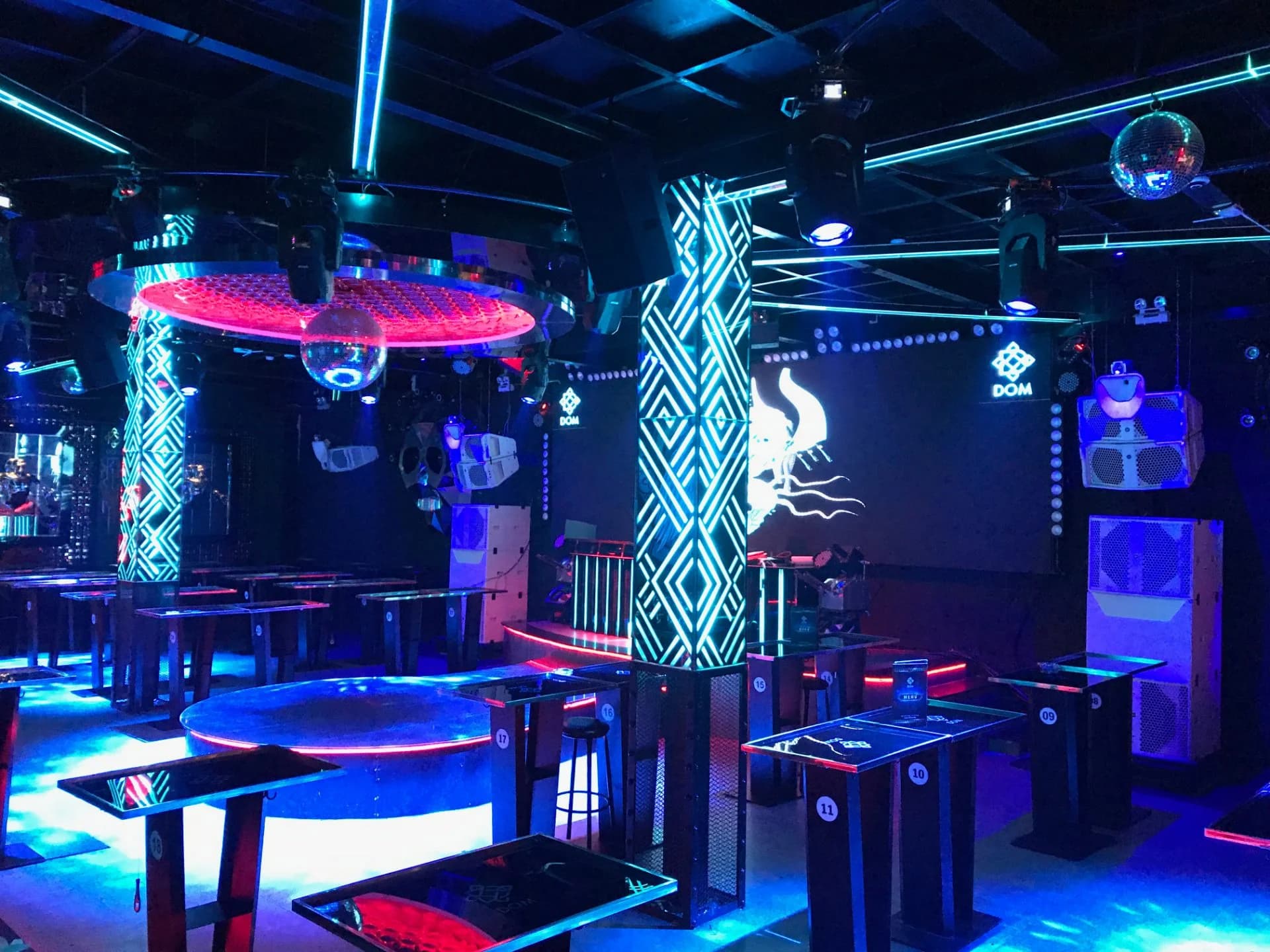
The 9 opened just before Tet 2022 and had to run DJ and live band on the same system — more than 30 channels in parallel. The stage is narrow and the 4.2m ceiling left no room for the usual sub line array or floor monitors. In the middle of the preparations, we found that the Linea Research amplifiers ordered from the UK would take up to 3 months to arrive — with the opening date close, there was no room for that delay.
02 / Engineering decision
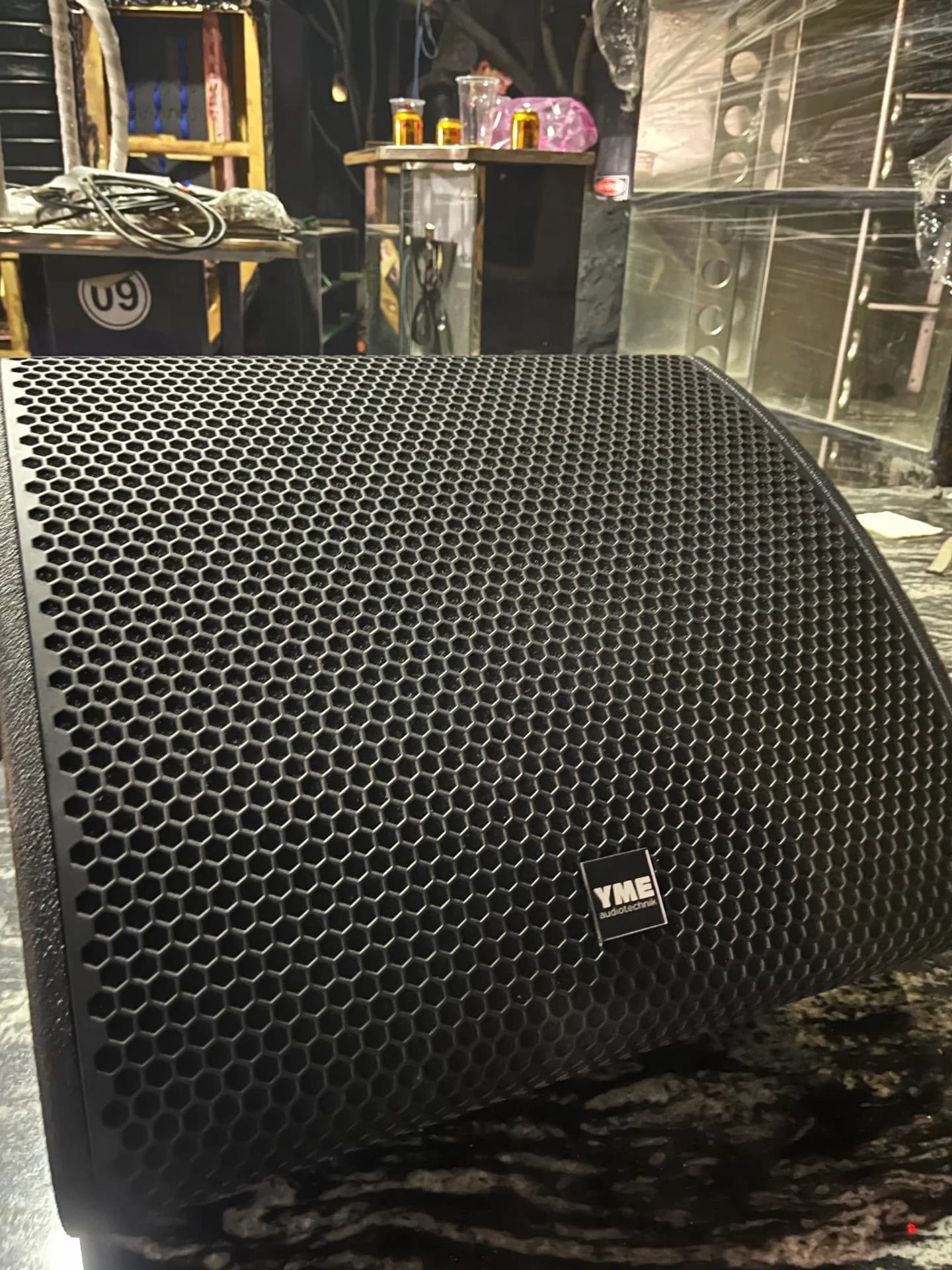
We borrowed equivalent Linea Research amplifiers from Thailand so the venue could open on time for Tet. The main system is Funktion-One Dance Stack 1, stacked 4-Way on both sides, L/R. Because there was no room left on the stage for floor monitors, we flew 4 YME MC14 speakers from the ceiling as monitors for the DJ and the band, giving the whole stage floor back to the performers, and added YME VS12 speakers as delays to spread the sound pressure evenly without using the expensive main system for every position. On the signal side, we routed everything on a Behringer WING, set up a dedicated workflow for mixing DJ and live band together and trained the operating team on site. On the Linea Research DSP, we aligned the phase between the Sub and Low-Mid with Smaart, locked Peak/RMS Limiters and opened an IP Network link to monitor and fine-tune the DSP remotely. So that the YME monitors and delays would not sound different from the Funktion-One main system, we used custom FIR filters to shape the YME response to the character of the Funktion-One, while making the vocal range smoother.
03 / Verification and value
The system was delivered in time for the opening. Thanks to the IP Network link, whenever urgent help is needed during a show we handle it remotely in about 15 minutes, without having to be on site to step in.
“The live band sounds very detailed and clear; the DJ music has a full bass and incredible energy!”
The Project in Pictures


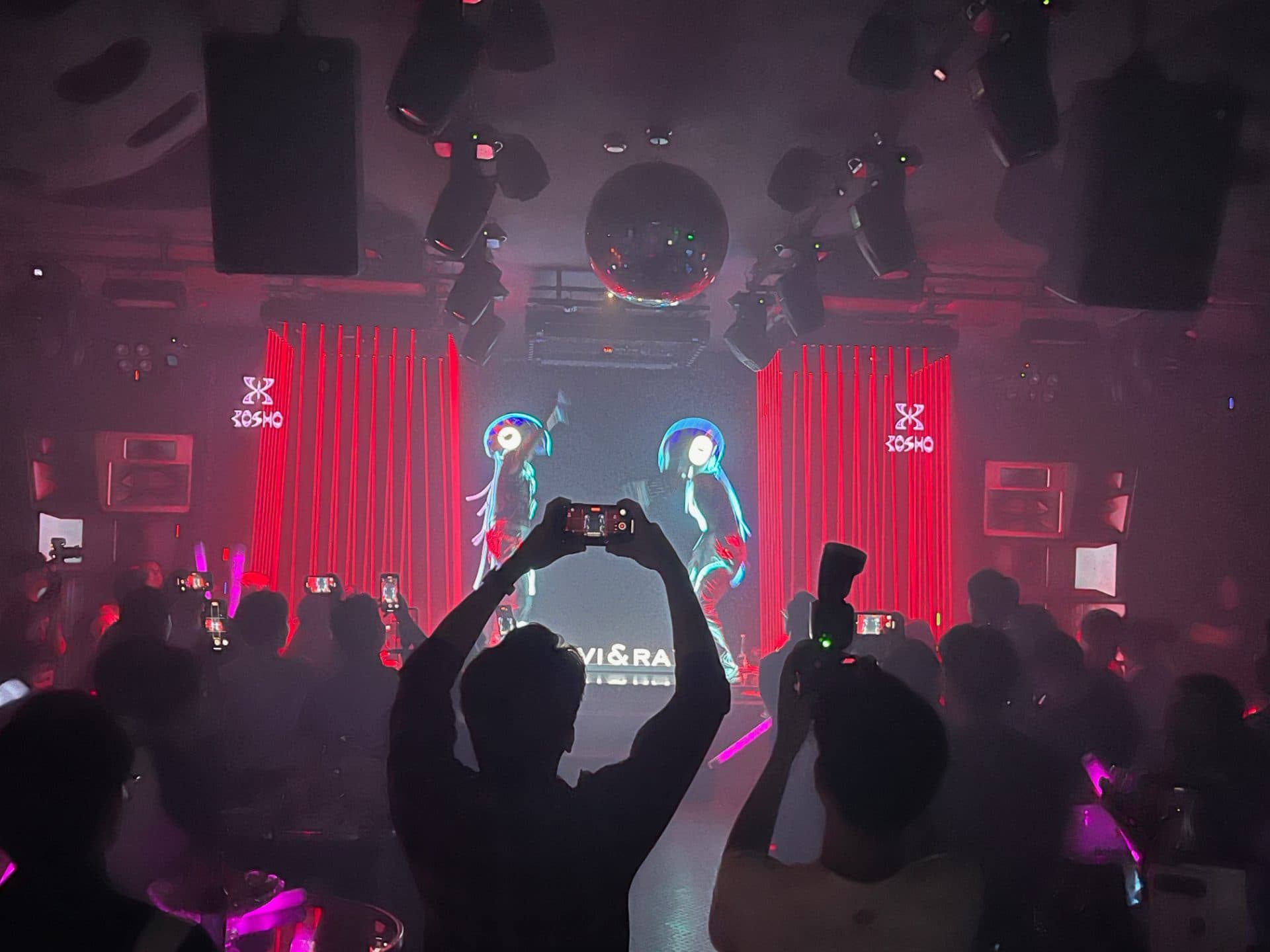
01 / 04 — A show night at The 9, with dancers on the LIVE HOUSE stage and guests watching.
Before and After
| Metric | Before | After |
|---|---|---|
| Equipment schedule | Linea Research amps out of stock in the UK, a 3-month wait | Equivalent amps borrowed from Thailand, handed over in time for Tet |
| Stage space | Stage too small for floor monitors and a sub line array | YME MC14 monitors flown from the ceiling; subs L/R in the Dance Stack 1 layout |
| Running more than 30 channels | Staff not yet used to mixing DJ and live band together | Workflow set up on the Behringer WING, training on site |
| Remote troubleshooting | Urgent remote support needed during high-energy shows | IP Network link to the DSP, faults handled remotely in 15 minutes |
| Matching the Main/Delay sound | YME speakers (Delay/Monitor) sounding different from the Funktion-One main system | Response shaped with custom FIR filters to follow the Funktion-One sound, smoother vocals |
Frequently asked questions
Does combining Funktion-One and YME Audiotechnik speakers make the sound uneven?
The Funktion-One mains provide the principal coverage, while YME units serve as delays and monitors. Response shaping and alignment help the systems blend in their assigned areas; FIR does not make their directivity, maximum output or hardware identical.
How does remote troubleshooting over an IP Network work?
A Tony Lab Audio engineer connects to the amplifier’s DSP over the internet to read the load figures, check for clipping and temperature, and step in to fine-tune the preset — usually in about 15 minutes.